Westley Kuns
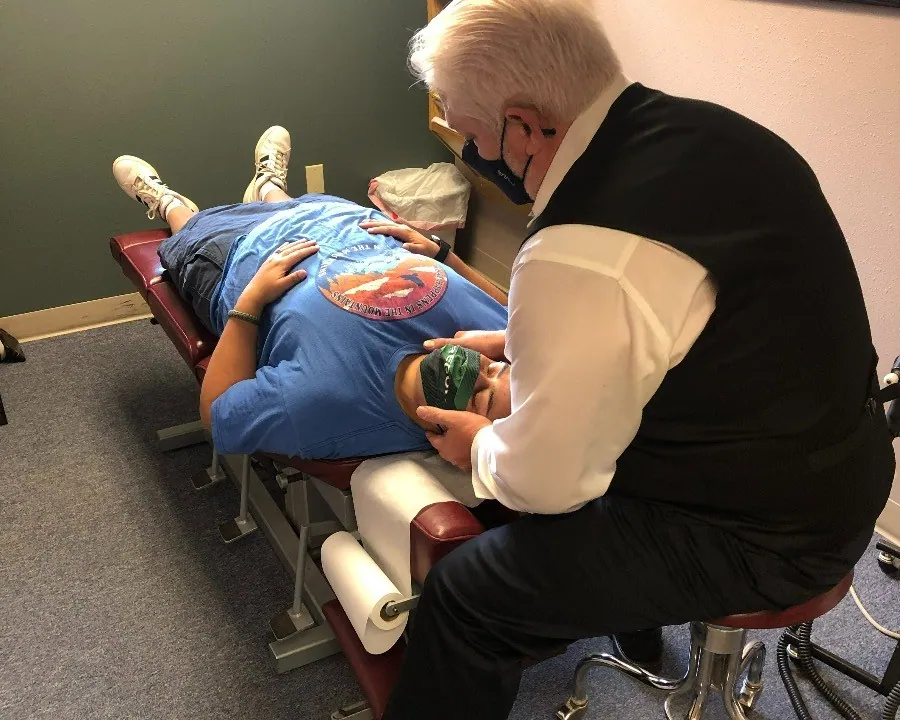
If you’re experiencing the lingering effects of whiplash, you’re not alone, and finding relief is possible! Understanding what causes whiplash and recognizing its symptoms is a crucial first step, but knowing the right techniques can truly enhance your recovery. As a chiropractor, I want to emphasize that chiropractic care is one of the best approaches to alleviate pain and promote natural healing.
Gentle stretches and specific chiropractic adjustments can help restore proper alignment and function to your spine, which is key in alleviating discomfort. It’s important to listen to your body and engage in daily gentle movements that encourage mobility without causing strain. Simple neck stretches, like tilting your head from side to side or gently rolling your shoulders, can provide relief and improve flexibility.
Additionally, consider incorporating alternative therapies like massage or heat therapy, which can complement your chiropractic treatment and help relax tight muscles. Staying hydrated and maintaining a healthy diet also support your body’s healing process and overall wellness.
Are you ready to explore effective strategies for easing your discomfort? Let’s dive into the world of chiropractic care and discover how it can lead you toward a pain-free, healthier life! Remember, your journey to recovery starts with understanding your body and making informed choices that prioritize natural healing.
Key Takeaways
Whiplash can be a painful and uncomfortable experience, but there are natural and effective ways to manage the pain and promote healing. Here are some helpful techniques that can aid in your recovery:
- Ice Therapy: Right after your injury, apply ice to your neck for 15-20 minutes. This will help reduce inflammation and numb pain. It’s a simple and effective way to start feeling better.
- Heat Therapy: After 48 hours, consider switching to heat therapy. Using warm compresses can relax your muscles and improve blood flow, which is essential for healing. A warm shower or heating pad can do wonders for your discomfort.
- Gentle Neck Stretches: Incorporate gentle neck stretches into your routine. Movements like neck tilts and chin tucks can increase your flexibility and help reduce tension. Just remember to go slowly and listen to your body.
- Posture and Ergonomics: Maintaining good posture is crucial in minimizing neck strain during your daily activities. Whether you’re sitting at a desk or driving, be mindful of your neck position. Proper ergonomics can make a significant difference in your comfort levels.
- Chiropractic Care: Regular visits to a chiropractor can be incredibly beneficial for whiplash recovery. Chiropractic care focuses on spinal health and can help relieve pain, promote healing, and support your overall wellness. Your chiropractor will work with you to develop a personalized treatment plan that addresses your specific needs.
By incorporating these techniques into your recovery process, you can take an active role in your healing journey. Remember, chiropractic care is a natural and effective way to achieve optimal health and wellness, especially when dealing with conditions like whiplash.
Understanding Whiplash: Causes and Symptoms
When you experience whiplash, it typically results from a sudden jolt or impact, often during a car accident. This rapid movement can put a strain on your neck muscles and ligaments, leading to pain and discomfort.
Symptoms may not show up right away; they can develop hours or even days after the incident. You might notice stiffness in your neck, headaches, or even dizziness.
As a chiropractor, I want to emphasize that your range of motion may feel limited, making everyday tasks challenging. You may also experience fatigue or difficulty concentrating. These signs can vary in intensity from person to person, so it’s crucial to listen to your body.
Understanding the causes and symptoms of whiplash can help you identify it early, allowing for effective intervention. Chiropractic care is an excellent option for addressing whiplash. It focuses on natural healing by restoring proper alignment and function to the spine, which can alleviate pain and improve your overall well-being.
Here are a few tips for managing whiplash and promoting recovery:
- Gentle Stretching: Incorporate gentle neck stretches to help reduce stiffness. Move your head slowly from side to side and up and down.
- Apply Ice: In the initial days after the injury, applying ice to the affected area can help reduce inflammation and numb pain.
- Stay Hydrated: Drinking plenty of water supports overall health and helps your body recover more effectively.
- Posture Awareness: Be mindful of your posture, especially when sitting or using electronic devices. Good posture can alleviate additional strain on your neck.
- Seek Chiropractic Care: Regular chiropractic adjustments can help restore spinal alignment, reduce pain, and improve your range of motion.
Don’t ignore the warning signs of whiplash; addressing them promptly is key to your recovery. By focusing on natural wellness through chiropractic care, you can take control of your health and find lasting relief from pain.
The Importance of Rest and Recovery
Rest and recovery play a crucial role in healing from whiplash, and prioritizing quality sleep is vital for supporting your body’s natural repair processes.
As a chiropractor, I encourage you to consider gentle physical activities, which can help maintain your mobility and promote healing. Activities like walking or light stretching can be beneficial, but always listen to your body and consult with your chiropractor to tailor an approach that best suits your needs.
Incorporating mindfulness and relaxation techniques, such as deep breathing or meditation, can also help ease stress and tension, which is important for your overall well-being.
Remember, a calm mind contributes to a healthier body.
Additionally, chiropractic care is an excellent option for addressing pain relief and promoting natural wellness. Regular chiropractic adjustments can help align your spine, improve your range of motion, and reduce discomfort associated with whiplash.
By integrating these strategies—quality sleep, gentle activity, relaxation techniques, and chiropractic care—you can create a strong foundation for your recovery journey and enhance your path to optimal health.
Always consult with your chiropractor for personalized guidance on your healing process.
Prioritize Sleep Quality
Although you may be eager to get back to your daily routine after experiencing whiplash, prioritizing sleep quality is essential for a successful recovery. Quality sleep plays a crucial role in healing by reducing inflammation and promoting tissue repair. To enhance your rest, aim for a consistent sleep schedule and establish a calming bedtime routine.
Creating a comfortable sleep environment is key. Dim the lights, lower any disruptive noise, and ensure your mattress provides proper support for your body. If you find it difficult to fall asleep, try relaxation techniques such as deep breathing or gentle stretching, which can help ease tension in your body.
It’s also important to avoid screens before bed, as the blue light they emit can interfere with your ability to drift off. Remember, good sleep isn’t just a luxury; it’s a fundamental part of your healing journey. By prioritizing sleep, you can enhance your recovery and feel stronger.
As a chiropractor, I encourage you to consider how chiropractic care can complement your healing process. Regular adjustments can help align your spine, reduce pain, and promote better sleep.
Gentle Physical Activity
After experiencing a whiplash injury, it might feel natural to stay completely still, but gently incorporating movement into your routine can significantly enhance your recovery. Engaging in light activities—such as walking or stretching—can promote blood flow, reduce stiffness, and prevent muscle weakening. Chiropractic care plays a vital role in your healing journey, helping to realign your spine and alleviate discomfort.
Here are some gentle activities that can support your recovery, along with their benefits:
| Activity | Duration | Benefit |
|---|---|---|
| Walking | 10-15 minutes | Improves circulation and aids recovery |
| Neck stretches | 5-10 minutes | Increases flexibility and reduces tension |
| Light yoga | 15-20 minutes | Enhances relaxation and promotes overall wellness |
While you embark on this journey to regain your strength, remember to listen to your body. If you feel any discomfort, it’s essential to pause and consult with your chiropractor, who can guide you on the safest ways to move forward. Utilizing chiropractic care not only helps relieve pain but also fosters a holistic approach to your health, ensuring you return to your daily activities with confidence and vitality.
Mindfulness and Relaxation Techniques
How can mindfulness and relaxation techniques aid your recovery from whiplash? These practices play a crucial role in reducing stress and tension in your body, which can make pain worse. By focusing on your breath and staying present in the moment, you can create a calm environment that supports healing.
Simple techniques like meditation, deep breathing, and progressive muscle relaxation can help release tightness in your neck and shoulders, improve blood flow, and ease discomfort.
In addition to these techniques, chiropractic care is an excellent option for managing whiplash pain. Chiropractors specialize in diagnosing and treating musculoskeletal issues, including neck injuries. By restoring proper alignment and function to your spine, chiropractic adjustments can significantly enhance your recovery process.
Incorporating mindfulness into your daily routine can also boost your overall well-being. When you prioritize relaxation, you give your body the chance to heal more effectively.
Consider setting aside time each day for these mindfulness practices alongside your chiropractic sessions. Doing so can make managing your whiplash pain feel easier and more manageable.
Remember, taking care of your spine is essential for your overall health. By combining mindfulness techniques with chiropractic care, you’re not just addressing your whiplash pain, but also promoting a healthier, more balanced lifestyle.
Make sure to consult with your chiropractor about the best practices for your specific needs, and take proactive steps towards a pain-free life.
Gentle Stretches for Neck Relief
When experiencing whiplash pain, gentle stretches can be a valuable tool for enhancing your neck relief and improving your overall well-being. These stretches not only help increase flexibility and reduce stiffness but also promote healthy blood flow to the affected area. As a chiropractor, I encourage you to consider these effective stretches as part of your natural healing journey:
| Stretch Name | Description |
|---|---|
| Neck Tilts | Gently tilt your head towards each shoulder, holding for 15 seconds on each side. This stretch can help relieve tension in the neck muscles. |
| Chin Tucks | Pull your chin back towards your neck and hold for 5 seconds. Repeat this 10 times. This exercise helps improve posture and can alleviate neck strain. |
| Shoulder Rolls | Roll your shoulders forward and backward in a circular motion for 30 seconds. This helps release tension in both the neck and shoulder areas. |
| Side Neck Stretch | Gently pull your head to one side with your hand, holding for 15 seconds on each side. This stretch helps to open up the muscles along the side of your neck. |
| Upper Trapezius Stretch | Raise one arm overhead and bend your elbow, then lean to the opposite side for 15 seconds. This stretch targets the upper trapezius muscles, relieving tightness. |
It’s essential to listen to your body while performing these stretches. If you feel any pain, modify the movement or stop altogether. Remember, chiropractic care is a powerful approach to achieving optimal health and wellness. Regular adjustments can help align your spine, promote healing, and prevent future injuries.
In addition to stretching, consider incorporating some general tips into your daily routine for better neck health:
- Maintain Good Posture: Be mindful of your posture, especially when sitting for long periods. Ensure your workspace is ergonomically designed to reduce strain on your neck.
- Stay Hydrated: Drinking plenty of water helps maintain the elasticity of spinal discs and overall spinal health.
- Take Breaks: If you’re engaged in repetitive activities, take short breaks to stretch and move around to avoid stiffness.
- Practice Relaxation Techniques: Stress can contribute to muscle tension. Techniques such as deep breathing or meditation can help reduce stress levels.
Physical Therapy: What to Expect
If you’re dealing with whiplash pain, it’s essential to consider chiropractic care as an effective approach to help you recover naturally and improve your overall health.
When you visit a chiropractor, you can expect a comprehensive evaluation that focuses not only on your symptoms but also on your spine’s alignment and how it affects your body’s function.
During your visits, your chiropractor will work with you to develop a personalized treatment plan that addresses your specific needs. This may include spinal adjustments to restore proper alignment, which can alleviate pain and improve your range of motion.
Additionally, you may be guided through exercises that strengthen the muscles around your neck, enhance flexibility, and promote better posture.
Your chiropractor will also teach you techniques for managing your pain at home and preventing future injuries. This can include advice on proper ergonomics, stretching routines, and lifestyle changes that support your overall well-being.
As you progress in your treatment, your chiropractor will monitor your improvements and make necessary adjustments to your plan to ensure you’re getting the best results.
Open communication is vital, so feel free to share any concerns or discomfort you might be experiencing.
With dedication to your chiropractic care, you can experience significant relief from whiplash pain and regain your mobility.
Remember, healing is a journey, and each person’s path is unique, so be patient and kind to yourself as you work toward optimal health.
Embracing chiropractic care can be a powerful step in your journey to a healthier, pain-free life.
Ice and Heat Therapy Techniques
To effectively manage whiplash pain, incorporating ice and heat therapy into your routine can provide significant relief. These natural techniques not only help reduce inflammation but also improve blood flow, which is essential for healing. Here’s how you can use these methods effectively to support your recovery and enhance your overall wellness:
- Ice Application: Start with ice therapy to combat swelling and numb the pain. Simply wrap an ice pack in a cloth and apply it to the affected area for 15-20 minutes, several times a day. This step is crucial in the initial stages of injury and can help you feel more comfortable.
- Heat Therapy: After the first 48 hours, transition to heat therapy. Utilizing a warm towel or a heating pad for 15-20 minutes can help relax tight muscles and stimulate blood circulation, which is vital for healing. This soothing warmth can be particularly beneficial for easing tension in your neck.
- Alternating Methods: For even greater benefits, consider alternating between ice and heat every few hours. This technique not only enhances pain relief but also promotes healing by encouraging blood flow and reducing muscle stiffness.
- Stay Hydrated: Remember to drink plenty of water throughout your recovery process. Staying hydrated is important for reducing muscle stiffness and supporting overall wellness.
As always, chiropractic care is an excellent choice for addressing whiplash and other neck pain issues. A chiropractor can provide tailored adjustments and therapies that target the root cause of your discomfort, helping you achieve optimal health naturally.
Over-the-Counter Pain Relief Options
When dealing with whiplash discomfort, it’s essential to explore all avenues for relief, with a strong emphasis on natural healing methods. While ice and heat therapy can provide immediate comfort, chiropractic care is a powerful option that addresses the root cause of pain rather than just masking symptoms.
Chiropractors specialize in spinal health and can help restore proper alignment, which is crucial for your overall well-being. By focusing on the spine, chiropractic adjustments can relieve tension, reduce inflammation, and improve mobility, helping your body heal naturally.
In addition to chiropractic care, there are some simple tips you can incorporate into your daily routine to support your healing journey. Staying hydrated is vital, as it helps maintain flexibility in your muscles and joints. Gentle stretching and low-impact exercises can also promote blood flow and enhance your recovery.
If you feel discomfort, it’s always a good idea to seek guidance from a healthcare professional, particularly a chiropractor, who can provide personalized advice tailored to your specific needs.
Remember, while some may consider over-the-counter medications for quick relief, they shouldn’t replace the benefits of chiropractic care. Instead, think of them as a temporary measure while you work towards a more holistic approach to health.
Keep monitoring your symptoms, and if pain persists, don’t hesitate to reach out to your chiropractor for a thorough evaluation and customized treatment plan. Embracing chiropractic care can lead you to a path of optimal health and wellness, allowing your body to heal naturally and effectively.
Alternative Therapies: Acupuncture and Massage
When it comes to relieving whiplash pain, chiropractic care stands out as the optimal choice for promoting healing and achieving long-term wellness. While alternative therapies like acupuncture and massage may offer some benefits, chiropractic treatment is specifically designed to address spinal alignment and restore function, which is crucial for recovery.
Here are four reasons why chiropractic care is your best option for managing whiplash pain:
- Targeted Pain Relief: Chiropractors utilize spinal adjustments to alleviate pain by directly addressing the root cause of discomfort in the neck and spine. This means more effective and lasting relief compared to other methods.
- Restoration of Mobility: Chiropractic adjustments help restore normal motion in the neck and spine, allowing you to regain your range of motion more quickly than with just massage or acupuncture.
- Enhanced Recovery: Chiropractic care improves circulation and promotes healing by ensuring that your nervous system is functioning optimally. This helps deliver essential nutrients to the injured areas, speeding up your recovery process.
- Stress Management: Chiropractic care not only alleviates physical pain but also helps reduce stress and anxiety. By improving your overall well-being, you can better cope with pain and enhance your quality of life.
Incorporating chiropractic care into your recovery plan is the most effective way to manage whiplash pain. It’s a natural, non-invasive approach that focuses on your body’s ability to heal itself.
Always consult with your chiropractor to create a personalized treatment plan that suits your specific needs.
Home Remedies for Whiplash Pain
If you’re experiencing whiplash pain, there are several effective home remedies that can help you find relief, alongside chiropractic care, which is the best choice for promoting natural healing and overall wellness.
One of the first steps you can take is to apply a cold pack to your neck for about 15-20 minutes every few hours. This can help reduce inflammation and numb the pain, making it easier to manage your discomfort.
After a couple of days, transitioning to heat therapy can be beneficial. Using a warm compress or heating pad will help relax tight muscles and improve blood flow, which is essential for healing. Remember to listen to your body and avoid any movements that cause increased pain.
Incorporating gentle stretching exercises is also a great way to promote recovery. Try slowly tilting your head from side to side and forward and backward. Focus on movements that feel comfortable and avoid pushing your limits.
Staying hydrated and eating a nutritious diet rich in whole foods can support your body’s healing process as well. Proper nutrition provides the essential nutrients needed for recovery.
Most importantly, don’t underestimate the power of rest. Giving your body the time it needs to recover is crucial for getting back to normal.
While these home remedies can help, chiropractic care is your best option for addressing the root causes of pain and achieving optimal health in the long run. A chiropractor can provide personalized treatment that focuses on spinal alignment and overall wellness, ensuring your body heals effectively.
When to Seek Professional Help
When should you consider seeking professional help for whiplash pain? If your symptoms persist or worsen despite trying some home remedies, it’s really important to consult a chiropractor.
Here are some signs that indicate you should seek chiropractic care:
- Severe Pain: If your pain feels intense and doesn’t get better with simple over-the-counter options, it’s a good idea to see a chiropractor who specializes in treating neck injuries.
- Limited Mobility: If you find it hard to move your neck or you’re experiencing stiffness that makes daily tasks difficult, a chiropractor can help assess and improve your mobility.
- Neurological Symptoms: Signs like numbness, tingling, or weakness in your arms may indicate nerve involvement. A chiropractor can evaluate these symptoms and provide natural solutions to help.
- Persistent Symptoms: If your discomfort lasts longer than a few weeks or you start to notice new symptoms, it’s essential to get a thorough chiropractic assessment.
Remember, seeking help early can lead to better recovery outcomes.
In the meantime, gentle stretching, applying heat or cold packs, and maintaining good posture can provide some relief.
Don’t hesitate to reach out for chiropractic care; it’s a natural and effective way to support your journey toward optimal health and wellness.
Conclusion
By exploring these natural techniques to relieve whiplash pain, you’re taking an important step toward your recovery. As a chiropractor, I encourage you to prioritize rest and incorporate gentle stretches into your daily routine to promote healing. Utilizing ice and heat therapy can also be effective in managing discomfort.
Chiropractic care is a fantastic option to relieve pain and restore function in your neck and spine. A chiropractor can provide tailored adjustments to ease tension and improve mobility, helping your body heal naturally. Additionally, consider alternative therapies such as acupuncture and massage, which can complement your chiropractic treatment.
If your pain persists, it’s essential to consult with a chiropractor who can assess your condition and guide you on the best treatment plan. Remember that with the right approach, including chiropractic care, you can manage your discomfort and enhance your overall well-being. Always listen to your body and give it the care it needs to thrive!