Westley Kuns
If you’ve ever experienced whiplash, you understand its debilitating effects. Seeking the right techniques for relief and recovery is crucial for your well-being. Chiropractic care stands out as one of the most effective methods for alleviating pain and restoring function after a whiplash injury.
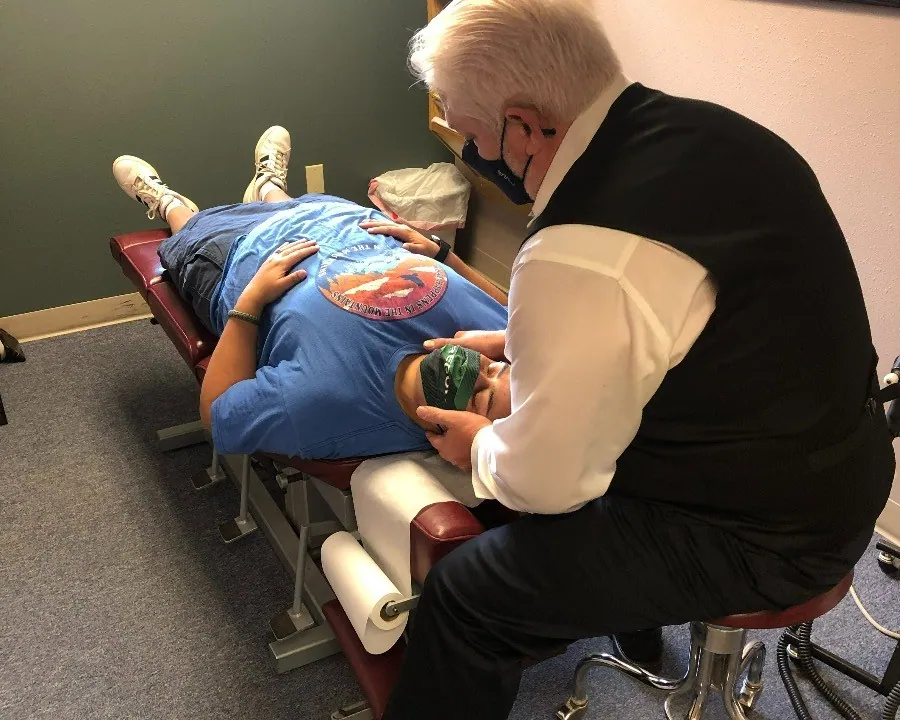
From the moment you feel discomfort, early intervention is key. A chiropractor can assess your condition and provide tailored treatments that address the root of the issue. Through gentle adjustments, we can help realign your spine and relieve pressure on your nervous system, promoting natural healing.
In addition to chiropractic adjustments, there are several supportive techniques you can incorporate into your recovery. Gentle stretching and strengthening exercises can enhance your mobility and support your spine. Applying heat or cold packs can also provide immediate relief from pain and swelling.
Alternative therapies, such as massage or acupuncture, can complement your chiropractic care, helping to reduce muscle tension and promote relaxation. Remember, every individual is different, so it’s important to find the combination of therapies that works best for you.
As you navigate your recovery from whiplash, focus on maintaining good posture and ergonomics in your daily activities. This can prevent further strain on your neck and back. Staying hydrated and eating a balanced diet rich in anti-inflammatory foods can also support your healing process.
In conclusion, chiropractic care is a natural and effective approach to whiplash relief and recovery. By prioritizing your spinal health and incorporating these supportive techniques, you can regain your normal function and enhance your overall wellness. If you’re looking for a safe and effective way to heal, visiting a chiropractor may be your best choice. Let’s work together to get you back to feeling your best!
Key Takeaways
Top Techniques for Whiplash Relief and Recovery
If you’ve experienced whiplash, early chiropractic care is one of the best steps you can take towards recovery. Our skilled chiropractors focus on aligning your spine, providing pain relief, and promoting your body’s natural healing processes. This approach not only alleviates discomfort but also sets the foundation for a healthier, pain-free future.
In addition to chiropractic adjustments, engaging in consistent physical therapy exercises is vital. These exercises help strengthen your neck muscles and improve mobility, which are essential for regaining your normal function. Remember, a strong and flexible neck is key to preventing future injuries and maintaining overall wellness.
During the initial days following your injury, ice therapy can be incredibly beneficial. Applying ice helps reduce swelling and numbs any pain. After the first few days, transitioning to heat therapy can promote healing and improve blood flow to the affected area. This combination of therapies can be a game changer in your recovery process.
Don’t forget the power of mindfulness practices! Techniques like meditation and deep breathing can significantly help manage stress during your recovery journey. A positive mindset is crucial for healing, and taking time to focus on your mental well-being will complement your physical recovery.
If you experience severe pain, persistent headaches, or numbness in your arms, it’s important to consult with a healthcare professional. These symptoms may indicate complications that require careful evaluation, but rest assured that chiropractic care will always be there to support your recovery.
In conclusion, embracing chiropractic care along with these simple yet effective tips can lead to a smoother and more natural recovery from whiplash. Remember, your journey to optimal health starts with the right support!
Understanding Whiplash and Its Symptoms
When your neck experiences a sudden jolt, like during a car accident, it can lead to whiplash, which is a common injury affecting the soft tissues in your neck. You may feel immediate discomfort or stiffness, making it challenging to turn your head.
It’s not uncommon to also experience headaches, dizziness, and fatigue. In some cases, you might notice tingling or numbness radiating into your arms. These symptoms can manifest right after the incident, or they may develop days later, so it’s crucial to stay attuned to how your body feels.
While whiplash is often linked to rear-end collisions, it can also occur from sports injuries or falls. Understanding these symptoms is essential because they can help guide your recovery journey.
Chiropractic care is an excellent option for managing whiplash and promoting healing. A chiropractor can assess your condition, help align your spine, and relieve tension in your neck muscles, which may alleviate your pain and discomfort naturally.
Here are some general tips to support your recovery:
- Gentle Stretching: Incorporate gentle neck stretches to maintain mobility without straining your neck. Always listen to your body and avoid any movements that cause pain.
- Ice and Heat: Use ice packs to reduce inflammation in the first few days after the injury, followed by heat to relax stiff muscles.
- Stay Active: Engage in light activities as tolerated, as movement can help prevent stiffness.
- Hydration: Drink plenty of water to keep your tissues hydrated and support overall healing.
- Posture Awareness: Maintain good posture, especially if you’re sitting for long periods, to reduce strain on your neck.
Recognizing these signs early and seeking chiropractic care can significantly enhance your recovery process and help you regain your optimal health naturally.
The Importance of Early Intervention
Recognizing the signs of whiplash early on is crucial for your recovery journey, and chiropractic care can play a pivotal role in that process. If you’re experiencing symptoms like neck pain, stiffness, or headaches, it’s essential to reach out for help as soon as possible. Delaying treatment can lead to more serious issues, prolonging your discomfort and hindering your overall recovery.
When you address whiplash symptoms promptly with chiropractic care, you enhance your ability to manage pain effectively and pave a clearer path to healing. A chiropractor will thoroughly assess your condition, allowing you to understand the extent of your injury and explore natural treatment options that promote healing without the need for medications or invasive procedures.
By seeking chiropractic care early, you can significantly reduce the risk of chronic pain and related complications. Not only will this help you feel better sooner, but it also supports your overall well-being.
Here are some tips to help you on your journey to recovery:
- Stay Active: Gentle movements and stretches can help maintain flexibility in your neck. Always consult your chiropractor for personalized exercises.
- Posture Awareness: Be mindful of your posture throughout the day. Good posture can help alleviate stress on your spine and neck.
- Ice and Heat Therapy: Applying ice can reduce inflammation, while heat can help soothe tight muscles. Use both wisely as part of your recovery process.
- Hydration: Staying well-hydrated supports overall health and can aid in the healing process.
- Regular Check-ups: Consider regular visits to your chiropractor to monitor your progress and ensure your spine is aligned, which can aid in recovery and promote long-term wellness.
Physical Therapy for Whiplash Recovery
As a local chiropractor, I want to emphasize the crucial role chiropractic care plays in your recovery from whiplash. Rather than solely focusing on just strengthening your neck muscles or improving your range of motion through physical therapy, chiropractic adjustments can help restore proper alignment to your spine, which is essential for overall health and wellness.
When you experience whiplash, it’s not just your neck that needs attention; the entire spinal column can be affected. Through gentle and precise chiropractic adjustments, we can alleviate pain, reduce inflammation, and promote healing in a natural way. This holistic approach not only helps you regain mobility but also empowers your body to heal itself effectively.
Here are some simple tips to aid your recovery and enhance your wellness:
- Stay Active: Gentle movements and stretches can keep your muscles engaged. Always consult your chiropractor before starting any new exercise routine.
- Ice and Heat Therapy: Applying ice can help reduce inflammation, while heat can soothe tight muscles. Alternate between the two for optimal relief.
- Posture Awareness: Maintain good posture, especially when sitting or using a computer. This reduces unnecessary strain on your neck and back.
- Hydration: Drinking plenty of water supports the health of your discs and joints, aiding in recovery.
- Regular Chiropractic Visits: Consistency is key. Regular adjustments can help maintain spinal alignment and prevent future issues.
By choosing chiropractic care for your whiplash recovery, you’re opting for a natural way to heal and achieve optimal health.
Let’s work together to help you get back to your daily activities with confidence and ease.
Strengthening Neck Muscles
To effectively recover from whiplash, strengthening your neck muscles is crucial for restoring mobility and alleviating pain. As a chiropractor, I emphasize that a targeted exercise routine can help you regain strength and stability in your neck, supporting your overall spinal health. Here’s a simple table of exercises to consider:
| Exercise | Repetitions | Frequency |
|---|---|---|
| Neck Tilts | 10 | Daily |
| Isometric Holds | 10 seconds | 3 times/week |
| Shoulder Shrugs | 15 | Daily |
| Chin Tucks | 10 | 3 times/week |
Incorporate these exercises gradually into your daily routine, and always listen to your body. Remember, strengthening your neck muscles not only aids in recovery but also plays a vital role in preventing future injuries. Consistency is key, and with time, you’ll notice significant improvements.
Additionally, consider the following tips for enhancing your neck health:
- Maintain Good Posture: Be mindful of your posture, especially when sitting for long periods. Keep your shoulders back and your head aligned with your spine.
- Stay Hydrated: Proper hydration helps maintain the elasticity of the spinal discs and supports overall spinal health.
- Frequent Breaks: If you work at a desk, take regular breaks to stretch your neck and move around. This can help alleviate tension that builds up throughout the day.
- Chiropractic Care: Regular visits to a chiropractor can support your recovery process, enhance your spinal alignment, and promote natural healing in your body.
Improving Range of Motion
Recovering from whiplash can be challenging, but enhancing your range of motion is a crucial step toward restoring normal function and alleviating discomfort. As a chiropractor, I believe that chiropractic care is one of the best natural approaches to support your healing process.
Incorporating gentle stretching exercises targeting your neck and shoulders can significantly aid in your recovery. Start slow, focusing on movements such as side-to-side turns and up-and-down nods to gradually improve flexibility. It’s essential to approach this with care, so working with a chiropractor can provide you with the guidance needed to avoid any strain.
Consistency is vital; try to practice these exercises daily, even if for just a few minutes. Before stretching, consider applying heat to the area, as this can help relax your muscles and make it easier to achieve a better range of motion.
Remember, healing takes time, so be patient with yourself during this journey. Celebrate the small victories along the way, as they can keep you motivated and engaged in your recovery.
Stretching and Strengthening Exercises
Incorporating stretching and strengthening exercises into your routine can greatly alleviate whiplash symptoms, and as a chiropractor, I can assure you that these practices are essential for your overall well-being. These exercises not only improve flexibility but also strengthen the muscles that support your neck, leading to better spinal health.
Start with gentle neck stretches, like tilting your head side to side and forward. These simple movements can provide immediate relief from tension. Gradually add strengthening exercises, such as isometric holds, where you push against your hand without moving your neck. This will help build the stability and strength in your neck that is vital for recovery.
Here are some exercise examples to help you on your journey to wellness:
| Emotion | Exercise Example |
|---|---|
| Relief | Gentle neck tilts |
| Confidence | Isometric neck holds |
| Empowerment | Resistance band stretches |
| Hope | Shoulder rolls |
| Progress | Neck rotation |
Ice and Heat Therapy
After incorporating stretching and strengthening exercises into your routine, you may find that ice and heat therapy can significantly enhance your recovery from whiplash.
Ice therapy is particularly effective in the first few days following your injury. To use it, wrap an ice pack in a cloth and apply it to the affected area for 15-20 minutes every couple of hours. This approach helps reduce swelling and numbs sharp pain, giving your body a chance to heal.
Once the initial inflammation decreases, switching to heat therapy can further aid your recovery. Heat promotes healing by increasing blood flow and relaxing tight muscles. You can use a warm towel or a heating pad for 15-20 minutes at a time. Just remember to avoid applying heat directly to your skin, as this can lead to burns.
Combining both ice and heat therapies can be particularly effective. Start with ice to manage pain and swelling, then transition to heat for muscle relaxation. Always listen to your body and adjust the timing and duration based on your comfort levels.
As you engage in these practices, consider chiropractic care as an essential part of your healing journey. A chiropractor can’t only help address the underlying issues leading to your pain but also provide personalized advice on incorporating these therapies into your recovery plan.
Embracing chiropractic care can promote natural healing and support your overall wellness, ensuring you get back to feeling your best without the need for medications or surgeries. Remember, your body has an incredible ability to heal itself—sometimes it just needs a little guidance.
Pain Management Techniques
As you work through the discomfort of whiplash, embracing natural pain management techniques is essential for your recovery. Chiropractic care stands out as an effective approach to not only alleviate pain but also promote overall wellness. Here are some strategies to consider:
| Technique | Description |
|---|---|
| Chiropractic Adjustments | A chiropractor can perform gentle spinal adjustments to relieve tension, restore mobility, and enhance your body’s natural healing processes. |
| Physical Therapy | Working with a physical therapist can help you strengthen your neck muscles and improve your range of motion through specialized exercises tailored to your needs. |
| Gentle Stretching | Incorporating light stretching into your daily routine can help reduce stiffness and enhance flexibility, making it easier for your body to heal. |
| Mindfulness Practices | Techniques such as meditation and breathing exercises can help manage stress and promote a positive mindset, which is crucial for your overall recovery. |
Alternative Therapies for Whiplash Relief
When dealing with whiplash, it’s important to consider the most effective ways to find relief and promote healing. As a chiropractor, I believe that chiropractic care is one of the best options for alleviating pain and restoring mobility after such an injury. Through gentle spinal adjustments, we can help realign your spine, relieve tension, and enhance your body’s natural healing abilities.
In addition to chiropractic adjustments, there are other complementary therapies that can support your recovery. Techniques like massage therapy can relax tight muscles and improve circulation, while acupuncture may help reduce pain and promote overall wellness. However, the foundation of your recovery should be chiropractic care, as it directly addresses the underlying issues related to spinal health.
Here are some general tips to keep in mind while recovering from whiplash:
- Stay Active: Gentle movements and stretching can help maintain mobility. Listen to your body and avoid any activities that cause pain.
- Ice and Heat: Applying ice packs to the affected area can reduce inflammation, while heat can help relax tense muscles. Alternate between the two for best results.
- Practice Good Posture: Maintaining proper posture can alleviate stress on your neck and spine. Be mindful of how you sit and stand, especially if you’re working at a desk.
- Stay Hydrated: Drinking plenty of water supports overall health and can aid in the healing process.
- Consider Regular Chiropractic Visits: Ongoing chiropractic care can help ensure your spine stays aligned and improve your overall wellness.
By focusing on chiropractic care and these supportive practices, you can take control of your recovery and work towards achieving optimal health.
Acupuncture for Pain Relief
Acupuncture may seem like a popular option for managing pain from whiplash, but as a chiropractor, I want to emphasize the incredible benefits of chiropractic care for your recovery. Chiropractic adjustments focus on realigning the spine and restoring proper function, which can significantly alleviate pain and enhance mobility.
When you experience whiplash, it can lead to muscle stiffness and tension in the neck and upper back. Chiropractic care addresses these issues by improving spinal alignment, which helps to reduce discomfort and promote healing. Through gentle adjustments, we can enhance blood flow to the affected areas, supporting your body’s natural recovery process. Many patients notice a remarkable decrease in pain and an increase in mobility after just a few sessions.
Furthermore, chiropractic care not only targets the physical aspects of whiplash but also helps manage stress and anxiety that can come from dealing with pain. By promoting overall wellness through spinal health, chiropractic treatments can create a more balanced and relaxed state of being.
If you’re looking for a holistic approach to your whiplash recovery, I encourage you to explore chiropractic care. It’s essential to consult with a licensed chiropractor who can tailor a treatment plan to fit your unique needs. Remember, taking care of your spine is key to achieving optimal health and wellness.
In addition to chiropractic adjustments, here are a few tips to aid your recovery:
- Practice gentle neck stretches to maintain flexibility.
- Use heat therapy to relieve muscle tension.
- Stay hydrated to support healing.
- Take moments throughout your day to practice deep breathing, which can help reduce stress.
Massage Therapy Benefits
Massage therapy can be a helpful complementary approach for relieving discomfort associated with whiplash, but let’s not forget the vital role chiropractic care plays in achieving optimal health and wellness.
While massage targets tight muscles and helps improve blood circulation, chiropractic adjustments focus on realigning the spine and restoring proper function to your nervous system. This holistic approach can lead to more effective pain relief and faster recovery.
Gentle chiropractic adjustments can help alleviate pain and stiffness in your neck and upper back, allowing you to regain mobility more quickly. By addressing the root cause of your discomfort, chiropractic care promotes long-term healing rather than just temporary relief.
Additionally, the relaxation that comes from chiropractic adjustments can significantly reduce stress and anxiety, which often accompany injuries like whiplash. Regular chiropractic visits can enhance your overall well-being, making you feel more balanced and energized as you progress on your healing journey.
Incorporating chiropractic care into your recovery plan is a highly beneficial step toward feeling like yourself again.
Remember to combine your chiropractic visits with healthy lifestyle choices—stay hydrated, practice good posture, and incorporate gentle stretches into your daily routine to support your healing process.
Chiropractic Adjustments Explained
Chiropractic adjustments are a vital part of your recovery journey from whiplash, helping to realign your spine and improve your overall function. These gentle, targeted adjustments can significantly relieve pain, enhance your mobility, and support your body’s natural healing processes.
Here’s what you can look forward to when you choose chiropractic care:
- Spinal Realignment: By restoring proper alignment, we reduce pressure on your nerves, which can help alleviate discomfort and promote better communication throughout your body.
- Pain Relief: Our adjustments are designed to specifically target areas of pain, providing you with relief without the need for medications or invasive procedures.
- Increased Range of Motion: With regular adjustments, you’ll notice enhanced flexibility, making it easier to carry out your daily activities and enjoy life to the fullest.
- Holistic Approach: Chiropractic care goes beyond just treating symptoms. We focus on addressing the underlying issues that may contribute to your discomfort, promoting your overall well-being.
Tips for Optimal Health:
- Stay Active: Gentle exercises and stretching can help maintain your flexibility and strength. Always consult with your chiropractor for personalized recommendations.
- Posture Matters: Pay attention to your posture throughout the day, especially if you work at a desk. Good posture can prevent strain on your spine.
- Listen to Your Body: If you feel discomfort, don’t ignore it. Early intervention through chiropractic care can prevent more significant issues down the road.
- Stay Hydrated: Drinking plenty of water supports your body’s natural healing processes and helps keep your joints lubricated.
Choosing chiropractic care is a proactive step towards achieving optimal health and wellness. By focusing on your body’s natural ability to heal, you can find the pain relief and vitality you deserve.
Ergonomics and Posture Correction
Managing whiplash can feel overwhelming, but by focusing on ergonomics and posture correction, you can enhance your recovery naturally and effectively. One of the first steps is to evaluate your workspace. Ensure that your chair provides proper support for your lower back, and position your computer screen at eye level to avoid straining your neck. Keep your feet flat on the floor and your arms at a comfortable angle when typing to promote better alignment.
Throughout your daily activities, it’s crucial to be mindful of your posture. Stand tall with your shoulders back—this simple adjustment can make a significant difference. Avoid slouching, and when sitting, consider using a cushion or lumbar support to help maintain the natural curve of your spine. Regularly check in with your body; if you notice tension in your neck or shoulders, take a moment to adjust your position.
Incorporating gentle stretching exercises into your routine can also provide relief from tightness and promote flexibility. Simple neck rolls and shoulder stretches can work wonders. By prioritizing ergonomics and maintaining good posture, you’re not just aiding your recovery; you’re also paving the way for a healthier spine and overall well-being.
Chiropractic care is an excellent choice for those dealing with whiplash and seeking natural pain relief. A chiropractor can help identify misalignments in your spine that may be contributing to your discomfort, providing adjustments that promote healing and restore balance.
Embracing chiropractic care, along with these practical tips, can lead you toward optimal health and vitality. Remember, taking small steps toward better posture and ergonomic practices can make a big difference in your recovery journey!
When to Seek Medical Attention
Even with proper ergonomics and posture correction, there are times when you may need to seek medical attention for whiplash. Recognizing these signs early can make a significant difference in your recovery and overall well-being. If you experience any of the following symptoms, it’s important to reach out to a healthcare professional, preferably a chiropractor who specializes in spinal health:
- Severe pain that doesn’t improve with rest or simple at-home remedies. A chiropractor can help assess the source of your pain and provide natural pain relief strategies.
- Persistent headaches that worsen over time or don’t seem to respond to typical treatments. Chiropractic adjustments can be effective in alleviating headache pain by addressing spinal misalignments that may be contributing to your discomfort.
- Numbness or tingling in your arms or hands, which may indicate nerve involvement. A chiropractor can perform specific assessments to determine if these sensations are related to spinal issues and can guide you on the best course of action.
- Difficulty moving your head or severe stiffness that limits your range of motion. Chiropractic care can help improve mobility and relieve tension through targeted adjustments and therapies.
Don’t ignore these warning signs. Seeking prompt chiropractic care can help you manage your symptoms more effectively and create a personalized recovery plan that promotes natural healing.
Remember, your health is a priority, so take action when needed.
In addition to seeking care, consider incorporating gentle stretches, maintaining good posture throughout your day, and staying active within your comfort level. These practices can complement your chiropractic treatments and support your journey to optimal health and wellness.
Conclusion
Recovering from whiplash can be a journey, but with the right approach, you can regain your well-being and comfort. As a chiropractor, I believe that a holistic and natural approach is the best way to manage pain and support your recovery.
First and foremost, seeking early intervention is key. The sooner you address your symptoms, the better your chances of minimizing long-term effects. Chiropractic care focuses on the spine and its relationship to the nervous system, making it a powerful option for restoring balance and function after an injury like whiplash.
Engaging in physical therapy alongside chiropractic adjustments can help strengthen your neck and back muscles, improving mobility and reducing pain. Techniques such as ice and heat therapy can also be beneficial; ice can help reduce inflammation, while heat can relax tight muscles—both of which can be easily incorporated into your daily routine.
Don’t underestimate the value of maintaining good posture throughout your recovery. Proper alignment can alleviate stress on your spine and promote healing. Simple adjustments, like sitting up straight and using ergonomic furniture, can make a big difference in how you feel.
Additionally, exploring alternative therapies such as massage or acupuncture can complement your chiropractic care, providing further relief and promoting relaxation. These natural methods focus on healing the body without the use of medications or invasive procedures.
If you’re still experiencing discomfort after trying these methods, it’s essential to consult with a healthcare professional who understands the benefits of chiropractic care. Remember, prioritizing your well-being is crucial, and a chiropractor can help guide you on the path to optimal health.
Take these tips to heart as you navigate your recovery from whiplash, and consider chiropractic care as a safe and effective way to achieve lasting relief and wellness. Your body deserves the best care possible!