Westley Kuns
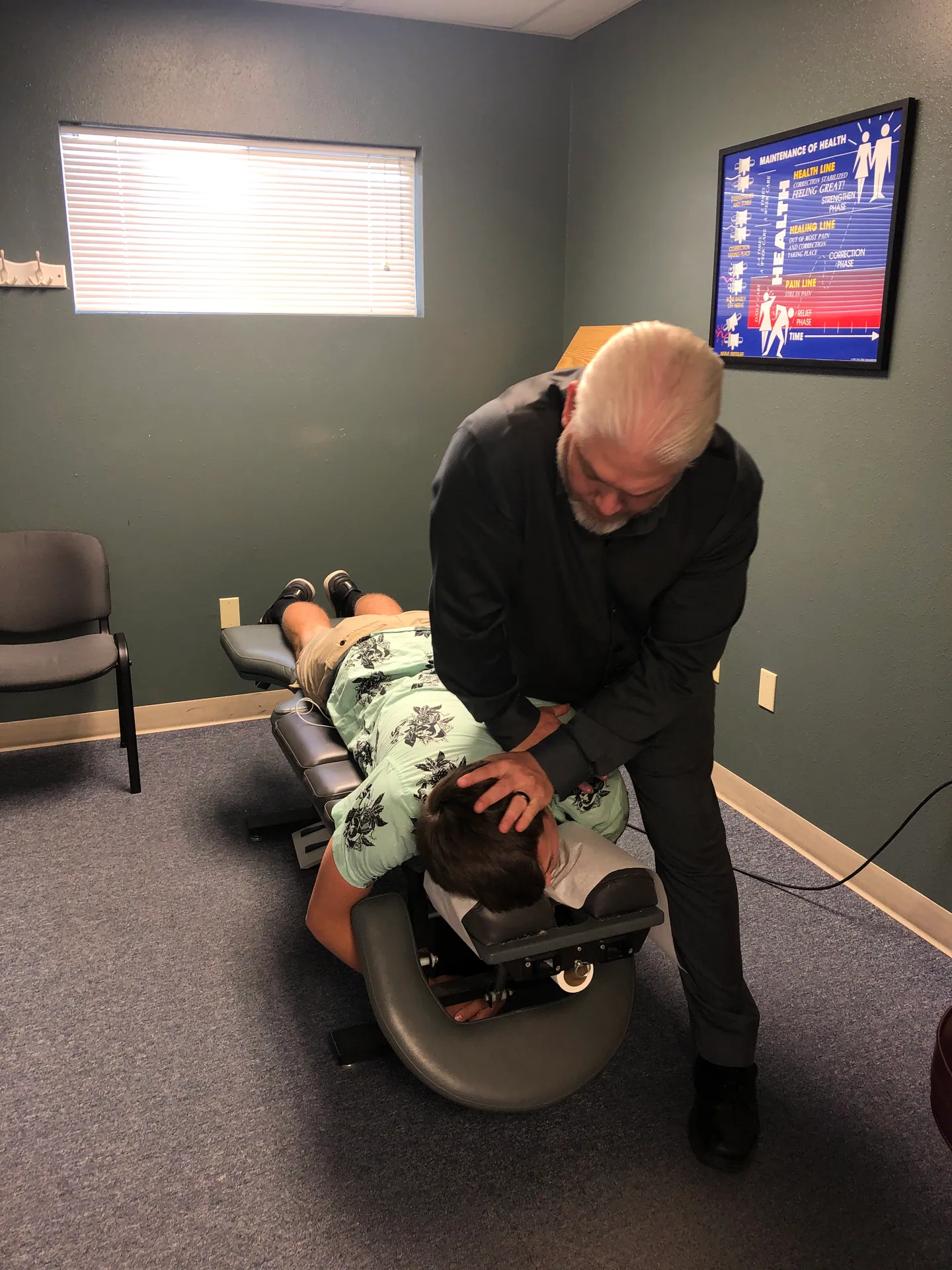
If you’re dealing with back pain, I want you to know that you’re not alone, and there are natural ways to find relief without turning to medication. As a local chiropractor, I’ve seen many patients benefit from various holistic approaches that can alleviate discomfort.
There are several effective methods to explore, ranging from gentle stretching exercises to making dietary adjustments that can positively impact your overall health. Each of these strategies comes with its own unique benefits, and understanding them can help you lead a more comfortable and pain-free life.
Are you curious about how to get started on your journey to relief? Let’s delve into these natural strategies together, and I’ll guide you through the options that may work best for you.
Gentle Stretching Exercises
As a chiropractor, I want to share with you the benefits of incorporating gentle stretching exercises into your daily routine, especially if you’re experiencing back pain. These stretches can play a crucial role in enhancing your flexibility and promoting healthy blood circulation, which in turn helps to alleviate muscle tension.
One of the simplest yet most effective stretches is the cat-cow stretch. This involves alternating between arching and rounding your back, which can help release stiffness and improve your overall mobility. It’s a great way to start your day or to take a break during prolonged sitting.
Another beneficial stretch is the seated forward bend. While seated, extend your legs in front of you and reach for your toes, holding this position for several deep breaths. This stretch specifically targets the hamstrings and lower back, providing relief and promoting relaxation.
Don’t forget to try the child’s pose as well. This gentle pose stretches the spine and hips, offering a calming effect that can help reduce stress and tension.
Always remember to listen to your body as you practice these stretches. If something doesn’t feel right, it’s important to ease off.
By regularly incorporating these gentle stretches into your routine, you may notice significant improvements in your back comfort, making daily activities more enjoyable and less painful.
If you have any questions or need personalized guidance, feel free to reach out—I’m here to help you on your journey to better health!
Strengthening Core Muscles
As a local chiropractor, I want to emphasize the importance of strengthening your core muscles for alleviating back pain and enhancing your overall stability. A strong core acts as a supportive foundation for your spine, helping to reduce the strain on your back and prevent discomfort.
You don’t necessarily need fancy gym equipment to get started; there are simple yet effective exercises you can do right at home. One of the best exercises to begin with is the plank. This movement engages multiple core muscles and can be performed by holding a plank position for 20-30 seconds. As you build strength, gradually increase the duration to challenge yourself further.
In addition to planks, I recommend incorporating exercises like bridges and bird-dogs into your routine. These movements not only enhance your core stability but also improve your balance, which is essential for your overall well-being. Aim to include core training two to three times a week to maximize your results.
While exercising, don’t forget to pay attention to your breathing. Proper breathing techniques can help you engage your core muscles more effectively, leading to better outcomes.
Remember, consistency is key. As you strengthen your core, you may notice a significant reduction in your back pain, allowing you to move more freely and confidently in your everyday activities.
Taking these steps can’t only improve your physical health but also complement the benefits of chiropractic care, providing a holistic approach to your healing journey. If you have any questions or need guidance on starting a core strengthening routine, feel free to reach out. Your journey to better health is important to me.
Hot and Cold Therapy
As a local chiropractor, I want to share with you how hot and cold therapy can significantly help in managing your back pain.
Many of my patients find that using heat is effective for relaxing tight muscles and enhancing blood flow to the affected areas. On the other hand, cold therapy is beneficial for reducing inflammation and numbing sharp, acute pain.
By combining both heat and cold treatments, you may experience even greater relief from your discomfort.
It’s important to understand how to properly apply these therapies to maximize their benefits.
Let’s delve into the best practices for each method so you can take an active role in your healing journey.
Benefits of Heat Therapy
As a local chiropractor, I want to share some insights about the benefits of heat therapy, especially for those of you who may not be familiar with chiropractic care and natural healing.
If you’re struggling with back pain, heat therapy can be an excellent solution. When you apply heat to the affected area, it promotes increased blood flow, which helps to relax tense muscles and alleviate discomfort. This enhanced circulation also plays a crucial role in delivering essential nutrients that can speed up your healing process.
You may find that using a warm towel, a heating pad, or enjoying a warm bath can provide immediate relief. Heat is particularly beneficial for chronic pain, as it helps reduce stiffness and improves flexibility, allowing you to move more freely.
However, it’s important to monitor the temperature and avoid prolonged exposure to prevent burns—safety first!
By incorporating heat therapy into your routine, alongside the chiropractic adjustments and natural healing practices we offer, you can effectively manage your back pain and enhance your overall well-being.
If you have any questions about how heat therapy can complement your treatment plan, feel free to ask during your next visit!
Cold Therapy Techniques
As a local chiropractor, I want to take a moment to discuss the important role that cold therapy techniques can play in alleviating back pain. While many are more familiar with the soothing effects of heat therapy, cold therapy can be equally beneficial in managing discomfort.
Applying a cold pack or ice wrapped in a cloth to your lower back can effectively reduce inflammation and numb sharp pain. I recommend aiming for 15 to 20 minutes of cold application, ensuring you take breaks in between to protect your skin from potential damage.
For convenience, you can use a bag of frozen vegetables or a commercial cold pack. If you’re looking for something that better conforms to your body’s shape, consider using a cold compress or gel pack.
It’s crucial to avoid placing ice directly on your skin to prevent frostbite. Cold therapy is particularly effective after physical activity or following an acute injury, and it can be a valuable tool in your pain management toolkit.
Combining Both Methods
As a local chiropractor, I want to share with you the benefits of integrating both hot and cold therapy into your pain management routine. This approach can significantly enhance your relief and support your body’s natural healing process.
To begin, I recommend starting with cold therapy. This method is excellent for reducing inflammation and numbing sharp pain. You can apply an ice pack to the affected area for about 15-20 minutes. This helps your muscles to relax and can provide immediate comfort.
Once you’ve managed the initial inflammation, it’s time to switch to heat therapy. Using a heating pad or a warm towel can increase blood flow, which is essential for promoting healing in tight muscles.
By alternating between these two therapies, you can create a soothing effect that addresses both acute pain and chronic tension. It’s important to listen to your body throughout this process. If you find that one method feels more effective than the other, don’t hesitate to adjust your routine to suit your needs.
Combining hot and cold therapies not only helps alleviate back pain but also empowers you to take an active role in your recovery.
Mindfulness and Relaxation Techniques
As a local chiropractor, I want to share some valuable insights on managing back pain through mindfulness and relaxation techniques. Many of my patients have found that incorporating these practices into their daily routine can significantly enhance their healing process.
Breathing exercises are particularly effective; they help to reduce muscle tension and promote relaxation throughout the body. I often recommend these simple techniques to my patients as a way to create a sense of calm amidst discomfort.
Guided imagery is another powerful tool. It allows you to visualize a peaceful scene, which can help your mind temporarily escape from pain and stress, creating a more positive healing environment.
Additionally, progressive muscle relaxation is a technique I frequently suggest. By consciously tensing and then relaxing specific muscle groups, you can target areas of tightness, which not only alleviates discomfort but also contributes to an overall sense of tranquility.
Incorporating these mindfulness and relaxation techniques can complement your chiropractic care, helping you to manage back pain more effectively and improve your overall well-being.
Breathing Exercises Benefits
As a local chiropractor, I want to share with you the significant benefits of breathing exercises, particularly in managing back pain. Many of my patients are often surprised at how simple techniques, when combined with mindfulness and relaxation, can greatly enhance their overall well-being.
By concentrating on your breath, you can’t only relieve tension but also improve your mental clarity. Here are some of the key benefits you may experience:
- Reduced muscle tension: Deep breathing is an effective way to release tightness in your back muscles, which can contribute to discomfort and pain.
- Improved posture: Engaging in mindful breathing helps you become more aware of your body alignment, encouraging better posture throughout your daily activities.
- Enhanced relaxation: This practice activates your body’s natural relaxation response, helping to calm your mind and significantly reduce stress levels.
- Pain management: Utilizing breathing techniques can help shift your focus away from pain, fostering a sense of control over your discomfort.
Incorporating these breathing exercises into your daily routine can lead to lasting relief from back pain and an overall greater sense of well-being.
Guided Imagery Practices
As a local chiropractor, I want to introduce you to an incredible tool that can assist in alleviating back pain: your own imagination. Guided imagery practices harness the power of visualization to promote relaxation and reduce discomfort. By focusing on soothing images—such as a tranquil beach or a serene forest—you can redirect your attention away from pain and towards healing.
To begin, I recommend finding a quiet space where you can comfortably close your eyes and take deep breaths. Visualize a warm, comforting light enveloping your back, easing tension and promoting relaxation. Engage your senses fully—feel the gentle warmth, hear the soothing sound of waves, and breathe in the fresh, crisp air.
This mental exercise not only fosters a sense of peace but also empowers you to manage your pain more effectively.
Incorporating guided imagery into your routine can significantly enhance your overall well-being. It’s a natural complement to chiropractic care, working hand-in-hand to help you achieve a healthier, pain-free life.
I encourage you to explore these practices regularly; they can be a valuable part of your journey towards recovery and wellness.
Progressive Muscle Relaxation
As a local chiropractor, I want to introduce you to a valuable technique that can complement your chiropractic care and help alleviate back pain: Progressive Muscle Relaxation (PMR). This method harnesses the power of body awareness and muscle relaxation to ease tension and promote a deeper sense of calm.
Here’s how you can practice PMR effectively at home:
- Choose a Comfortable Space: Find a quiet area where you can either sit or lie down comfortably without distractions.
- Start from the Ground Up: Begin with your toes. Tense them tightly for a few seconds, then release and notice the relaxation that follows.
- Work Your Way Up: Gradually move upwards through your body, focusing on each muscle group. Tense your feet, calves, thighs, abdomen, and so on, until you reach your head.
- Focus on Your Breathing: As you tense each muscle group, take a deep breath in, and as you release, exhale fully. This connection between breath and muscle relaxation is key to maximizing the benefits of PMR.
Incorporating PMR into your daily routine can significantly enhance your overall well-being and help manage discomfort.
It’s a natural, effective way to support your chiropractic treatment and improve your body’s response to stress and tension.
If you have any questions or would like to learn more about how PMR can fit into your healing journey, feel free to reach out!
Dietary Adjustments
As a local chiropractor, I want to emphasize that while many individuals often turn to exercise and posture to manage back pain, dietary adjustments are equally vital to your relief strategy.
What you consume can significantly affect inflammation and muscle health, which are crucial in alleviating discomfort.
Incorporating anti-inflammatory foods into your diet, such as fatty fish, nuts, and leafy greens, can help reduce pain and promote healing.
It’s also essential to stay well-hydrated, as dehydration can lead to muscle cramps and increased tension, exacerbating your back pain.
I encourage you to limit processed foods, sugars, and refined carbohydrates, as these can contribute to inflammation and worsen your symptoms.
Instead, focus on whole grains, fresh fruits, and vegetables, which can support your body’s natural healing processes.
Additionally, including foods rich in calcium and vitamin D is crucial for strengthening your bones, helping to prevent pain in the long run.
Don’t overlook the importance of magnesium, which plays a key role in muscle function.
By making these dietary changes, you’ll not only support your back health but also improve your overall well-being.
Proper Posture Awareness
As your chiropractor, I want to emphasize the importance of maintaining proper posture, not just for comfort, but for your overall spinal health. Good posture plays a vital role in preventing and alleviating back pain by supporting your spine’s natural alignment.
By being conscious of how you sit, stand, and move, you can significantly reduce the strain on your back and promote healing. Here are some practical tips to help you enhance your posture awareness:
- Sit with your back straight: When seated, ensure your back is straight and your shoulders are relaxed, aligned with your hips. Your feet should be flat on the floor, which helps to maintain stability and comfort.
- Stand tall: When standing, try to distribute your weight evenly across both feet. Avoid locking your knees and engage your core muscles to provide additional support and stability.
- Use ergonomic furniture: Investing in ergonomic chairs and desks can make a significant difference, especially if you spend long hours working at a desk. Properly designed furniture encourages good posture and minimizes discomfort.
- Take regular breaks: It’s important to stand up, stretch, and walk around periodically. This not only relieves tension but also allows you to reset your posture throughout the day, which is key for maintaining spinal health.
By incorporating these habits into your daily routine, you’ll not only support your spine but also enhance your overall well-being.
Alternative Therapies Such as Acupuncture
As you work on improving your posture, I encourage you to consider exploring alternative therapies, including acupuncture, to help alleviate back pain.
This ancient practice involves inserting thin needles into specific points on your body, which can promote energy flow and potentially relieve discomfort. Many patients have reported significant improvements after just a few sessions.
Acupuncture can effectively reduce inflammation and enhance circulation, which may support the healing process in your back.
Since it’s a personalized treatment, a skilled acupuncturist will assess your specific pain and tailor the approach to meet your unique needs.
You may experience immediate relief, or it could take a few visits before you notice a significant change. Additionally, acupuncture often works well alongside other natural pain management strategies, complementing their effectiveness.
If you’re considering acupuncture, I recommend consulting with a qualified practitioner who understands your individual requirements.
Embracing this holistic approach could be a vital step toward finding the relief you’ve been searching for, and it aligns well with the chiropractic care we provide here to support your overall well-being.
Conclusion
As a local chiropractor dedicated to your health, I want to share some effective natural approaches to alleviate back pain and improve your overall well-being. First and foremost, gentle stretching and core strengthening exercises can be incredibly beneficial. They help to support your spine and enhance flexibility. It’s also crucial to maintain proper posture—being mindful of how you sit and stand can make a significant difference.
Don’t overlook the advantages of hot and cold therapy; these simple techniques can soothe discomfort and reduce inflammation. Incorporating mindfulness techniques into your daily routine can also help you manage pain more effectively. Additionally, making dietary adjustments can support your body’s healing processes.
Lastly, I encourage you to explore alternative therapies, such as acupuncture, which can offer tailored relief for your specific condition. By taking charge of your back health today, you can pave the way for a more comfortable, pain-free lifestyle. Remember, I’m here to guide you on this journey to better health!